What Is Bridging Finance?

addpeople
April 15, 2025
image5

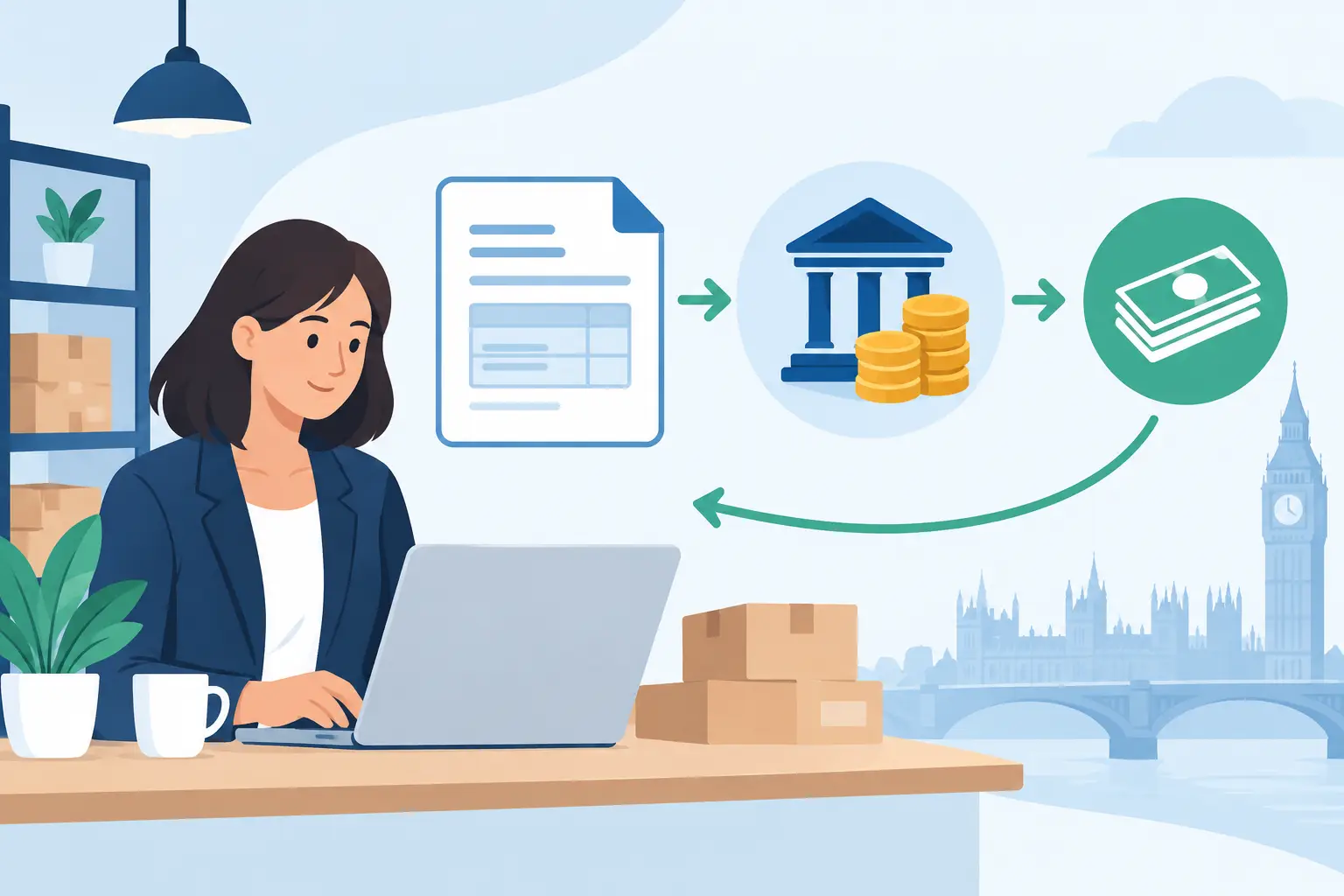
Bridging finance is often known as bridging loans, and is designed for the short-term to “bridge the gap” between purchasing a property and selling an existing home.

These short-term loans can also be used for funding a quick purchase, or providing help towards renovations before long-term finance has been secured.

In a corporate environment, bridging loans are an ideal financial option for businesses that are facing immediate financial needs.

How Does Bridging Finance Work?

When a business accepts a bridging loan as a solution for short-term financial problems, security is implemented by the lender.

Bridging loans are secured against a business asset as a precaution. If the business cannot meet the loan repayments, the lender will claim the asset that has been secured against the loan.

Usually, any short-term financial solution is repaid within 12 months, unlike a traditional long-term loan. There are no early repayment or exit fees, as you are only charged for the time you use the loan.

So what makes bridging finance different? Credit scores aren’t a priority lending criteria. Lenders are often more interested in the security submitted by the borrower.

Are There Different Types Of Bridging Loans?

Yes, there are multiple types of bridging loans. We have created an easy-to-understand list of the options that are available below:

Open & Closed

Open Bridging Loans

If you do not have a fixed repayment date, the best option would be an open bridging loan. As there is no fixed date, the loan typically will have to be repaid within 12 months, and have no exit strategy. Although there is no exit plan, the open bridging loan may be a more expensive option.

Closed Bridging Loans

Closed loans are an option if you have already exchanged contracts and are waiting for a property sale to go through. Some benefits of a closed bridging loan are:

  • Fixed repayment dates
  • A clear exit strategy

First Charge Bridging Loans

With first-charge bridging loans, the loan holds the primary position and takes precedence over any other finance secured against the property. An example would be:

  • If you use a bridging loan to pay off an existing mortgage, the mortgage will be fully repaid, and the bridging loan will become the first charge against your property.

Second Charge Bridging Loans

When it comes to Second Charge Bridging Loans, these are positioned behind already existing loans or finance on your property, such as a mortgage. An example would be:

  • The mortgage takes priority when it comes to debt repayment, in this scenario, the loan would be secondary in line to be repaid after the mortgage.
image4

Advantages & Disadvantages Of Bridging Finance

When it comes to finance options, there are advantages and disadvantages. It is important to explore all funding options that are available to you. Here at Winchestercf, we have detailed information on all financial options that will support your final decision.

The Advantages of Bridging Finance

  • Versatility: Often used interchangeably for situations such as purchasing property at auctions, financing property development, refurbishment, or conversion projects. Bridging loans can support the acquisition of commercial properties, semi-commercial units, buy-to-let properties, uninhabitable properties, HMO purchases, property refinancing, and land purchases.
  • A fast option: Bridging loans are quick to set up and funds are released quickly. Commercial bridging loan applications are processed within 24 to 48 hours, occasionally the process can take longer, such as 7-14 days.
  • Flexibility: Borrowing is very flexible with payment only taken when the funds are used. Bridging loans are easily obtainable, even with a low credit score. 

The Disadvantages of Bridging Finance

  • Higher Risk: Your property and businesses are at risk of being repossessed by the lender if the bridging loan repayments can not be met.
  • Interest Rates: Bridging loans have a high interest rate, making this financial option expensive. 
  • Additional Costs: Bridging loans come with further costs such as admin fees, legal fees, etc.
image1

How To Get Bridging Finance

Before you are approved for a bridging loan, you may be required to provide a personal guarantee. A personal guarantee is a legal agreement made by the business owner, or director, who becomes personally responsible for paying any debt the business might face if the business is unable to make the correct loan repayments.

This implements the director, or owner, in becoming the “guarantor” and can be made with, or without supported security, such as a legal charge on the guarantor’s asset. This personal guarantor can vary between lenders, in some cases lenders will insist on implementing one to reinforce security, while others won’t require one.

image2

How Much Is Bridging Finance?

Bridging loans can range from £25k to over £100m, depending on your needs, credit rating, and the property value you intend to purchase. Bridging loan lenders will offer a loan to value up to 75% of the property, but depending on the security lenders could offer more.

It is possible for a 100% loan to value bridging loans that will cover the total cost of the property purchase. Your business may receive a 100% LTV bridging loan without using a cash security deposit, although the lender may require additional commercial properties or assets as security.

Interest Rates

It is crucial to compare different lenders due to their interest rates. Bridging loans are known to be costly, with interest rates ranging from 0.5% to 1.5%. As bridging loans are short-term, the interest is typically charged monthly, rather than an annual percentage rate (APR).

You should also consider additional fees. These can include up to 2% of the loan amount, arrangement, administrative, legal, or valuation fees. It is important to factor these into account, they can determine if you can realistically afford the loan, as well as the additional fees and interest rates.

The Conclusion - Everything You Need To Know About Bridging Finance

Now that you understand what Bridging Loans are, the different options, and the additional charges that come with these short-term loans, you can begin your query with Winchestercf – we are here to support you.

More Blog Articles

What a Business Finance Broker Can Do for You

What a Business Finance Broker Can Do for You

A business finance broker helps UK companies compare funding options, manage lender applications and secure facilities that fit their plans and cash flow.
When Business Debt Refinancing Makes Sense

When Business Debt Refinancing Makes Sense

Business debt refinancing can reduce monthly pressure, simplify borrowing and support growth. Learn when it fits, what to compare and how to prepare well.
Business Loans Hampshire for Growing Firms

Business Loans Hampshire for Growing Firms

Business loans Hampshire: compare practical funding options for cash flow, equipment, stock and growth, with clear advice on eligibility, cost and security
Business Loans Sussex for Growth and Cash Flow

Business Loans Sussex for Growth and Cash Flow

Business loans Sussex can support cash flow, stock, equipment and growth. Understand your options, costs and the right route for your company with care.
Business Has Multiple Loans? Consolidate Debt

Business Has Multiple Loans? Consolidate Debt

Business has multiple loans? Learn how to consolidate business debt, reduce monthly repayments and protect cash flow with the right finance structure.
How Does Invoice Finance Work for UK SMEs?

How Does Invoice Finance Work for UK SMEs?

How does invoice finance work? See how UK firms turn unpaid invoices into working capital, what it costs, and when it suits their cash flow ...